The FREE video below is a section of a seminar lecture given by an instructor.
Below
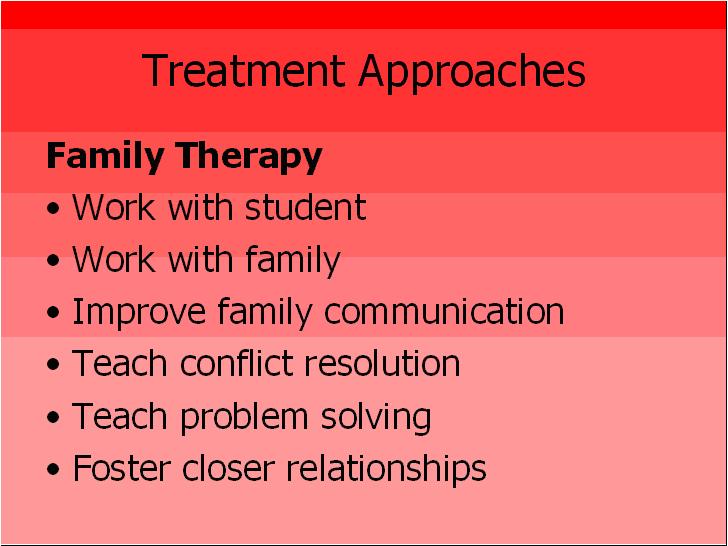
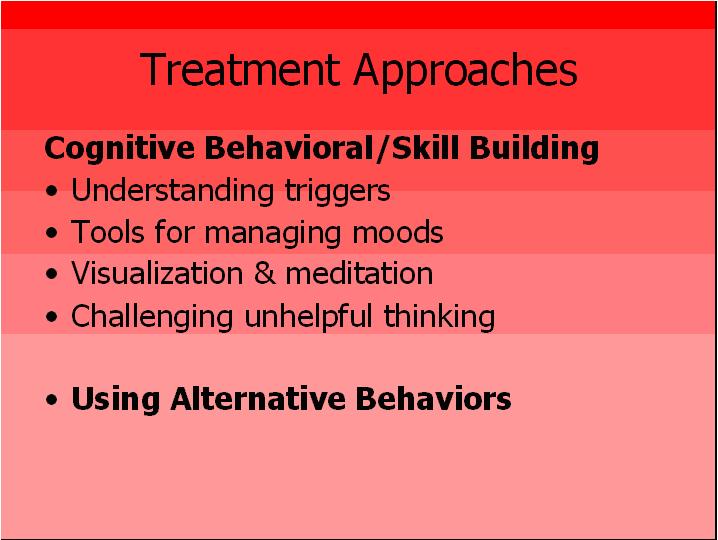
are the PowerPoints that accompany the instructor's lecture for this track. Question 10 found at the bottom of this page.
Reviewed 2023
Peer-Reviewed Journal Article References:
Ammerman, B. A., Jacobucci, R., Turner, B. J., Dixon-Gordon, K. L., & McCloskey, M. S. (2020). Quantifying the importance of lifetime frequency versus number of methods in conceptualizing nonsuicidal self-injury severity.Psychology of Violence, 10(4), 442–451.
Glenn, J. J., Werntz, A. J., Slama, S. J. K., Steinman, S. A., Teachman, B. A., & Nock, M. K. (2017). Suicide and self-injury-related implicit cognition: A large-scale examination and replication.Journal of Abnormal Psychology, 126(2), 199–211.
Martin, M. S., Potter, B. K., Crocker, A. G., Wells, G. A., Grace, R. M., & Colman, I. (2018). Mental health treatment patterns following screening at intake to prison. Journal of Consulting and Clinical Psychology, 86(1), 15–23.
Mastin, T. M., Bautista, C. L., & Teng, E. J. (2020). Nonsuicidal self-injury in veterans with posttraumatic stress disorder: Current theory and implications for practice. Professional Psychology: Research and Practice, 51(4), 335–340.
Stefenson, A., & Titelman, D. (2016). Psychosis and suicide: Suicidal communication and critical life events before suicide in a 1-year psychiatric cohort.Crisis: The Journal of Crisis Intervention and Suicide Prevention, 37(3), 224–231.
Online Continuing Education QUESTION
10 What does it mean when a cutter believes that overt action is necessary
to "communicate" feelings? To select and enter your answer go to CEU Test